44 how to read uk nutrition labels
› healthy-sustainable-dietsProtein - British Nutrition Foundation Protein on food labels. The protein content of a food is among the mandatory information to be provided in the nutrition declaration on food labels, according to Regulation (EU) No. 1169/2011. For labelling purposes, the reference intake for protein of an average adult (8400kJ/2000kcal) is 50g/day. 10 tips for understanding food labels - Heart Matters magazine 10 tips for understanding food labels Supermarket shelves are full of foods and drinks, many of them making claims that sound healthy. Hannah Elliott explains how to use back-of-pack food labels to make healthy choices. Food labelling can help us make an informed decision when shopping, but understanding the labels can feel difficult.
› understanding-food-labelsUnderstanding food labels | Diabetes UK The labels show how many calories are in the food or drink and are also colour coded to show whether the food is low (green), medium (amber) or high (red) in fat, saturated fat, sugar and salt. The information on the front of the pack also tells you how the portion of the food contributes to the Reference Intake (RI) of an adult.

How to read uk nutrition labels
Differences between EU and US nutrition labels go far beyond ounces and ... In the US, nutritional labels must indicate the number of servings per container - so calories are broken down based on how many slices of bread come in a package, or how many 12-chip portions a... Understanding Food Labels Made Easy - Weight Loss Resources The Traffic Light Scheme Provides a colour code for four main nutrients we should eat less of - fat, saturates, sugars and salt - based on traffic light colours. The colours are worked out by looking at the nutrient content per 100g of the food: green indicates a low content, amber a medium content and red a high content. › life-stages › childrenChildren - British Nutrition Foundation There is no need to add salt to your child’s food. Salt is in many processed foods so always read the food label to check how much salt it contains and choose lower salt versions. For more information on how to read food labels read our Looking at nutrition labels resource below.
How to read uk nutrition labels. How to Read a Nutrition Label | Kellogg's South Africa While the Nutrition panel is a great way to help you determine the overall nutritional values of certain foods, Guideline Daily Amounts (GDAs) are also on our cereal boxes. These show a snapshot of the most important nutrients found in each Kellogg's cereal box. When reading GDA's, you get an 'at a glance' guide to the percentages of ... How to Read a Nutrition Label - Kellogg's Toward the bottom of each label you'll find the percentage of vitamins and minerals that accompany every serving, with a higher percentage indicating that there is more of a vitamin or mineral in that food. These vitamins and minerals serve many functions in your body. And to help keep it working properly, you need a variety of these nutrients. 3 Ways to Read Nutrition Facts on Food Labels - wikiHow Take the servings per container into account when reading daily values. Knowing the servings per container is essential to understanding the rest of the numbers on a food label. When a label lists percentages for fat, cholesterol, sodium, or protein, they're referring to the percentage in a single individual serving. Reading labels | Diabetes UK Always look at the 'total carbohydrate' on the label when carb counting. This will make sure you are counting both the complex (starchy) and simple (sugary) carbs in your food. Both will raise your blood glucose (blood sugar) levels, and need to be matched with insulin.
This Is How to Read a Nutrition Facts Label on the Keto Diet Some labels show both, but it's simpler to assess using the percentage figure. You may also hear about RDI (Reference Daily Intake) and DRV (Daily Reference Values), which essentially mean the same thing as Percent Daily Value [ * ]. Ingredients List The ingredient list is usually found below or next to the nutrient breakdown. Nutrition information on food labels: Is it read and understood? In Europe, the provision of such information is not compulsory, unless a nutrition or health claim is made. However, a recent EU-funded research project, FLABEL (Food Labelling to Advance Better Education for Life) has shown that on average 85% of products contained nutrition information on the back of the pack and around 48% on the front. 1. How to Read Food Labels | Institute of Health Sciences Some front-of-pack nutrition labels use red, amber and green colour-coding. Colour-coded nutritional information, as shown in the image above, tells you at a glance if the food has high, medium or low amounts of fat, saturated fat, sugars and salt. Red means high Amber means medium Green means low Looking at labels - British Nutrition Foundation The majority of pre-packed products (by law) provide a nutrition label on the back of pack. This back-of-pack information must be displayed as per 100g or 100ml of the product, but may also be additionally displayed as per portion. Generally, this information will be displayed like the example below:
› government › publicationsTechnical guidance on nutrition labelling - GOV.UK Jun 19, 2013 · This technical guidance provides informal, non-statutory advice for businesses on the nutrition-related requirements of EU Regulation No. 1169/2011 on the provision of food information to ... How to read a food label | Dietitian UK A food label should be able to tell you: what the food is a 'best before' or 'use by' date how it should be stored provide cooking directions, if necessary a list of the ingredients in order of most to least in quantity any allergens such as milk, eggs, nuts, wheat written in bold. Nutrition labels - Food A Fact Of Life Nutrition and allergy information on food labels help us to make informed food and drink choices. Nutrition labels, including both mandatory and voluntary labelling, are in place to help us to make informed food and drink choices. It is important for pupils to be able to recall the key aspects of labelling information and apply to make an ... Food labels - NHS Some front-of-pack nutrition labels use red, amber and green colour coding. Colour-coded nutritional information tells you at a glance if the food has high, medium or low amounts of fat, saturated fat, sugars and salt: red means high amber means medium green means low In short, the more green on the label, the healthier the choice.
How To Read A Nutrition Label - YouTube
› government › publicationsFront of Pack nutrition labelling guidance - GOV.UK Jun 19, 2013 · The Front of Pack nutrition labelling scheme combines colour coding and percentage reference intakes in line with UK health ministers’ recommendations and the requirements of Article 35 of EU ...
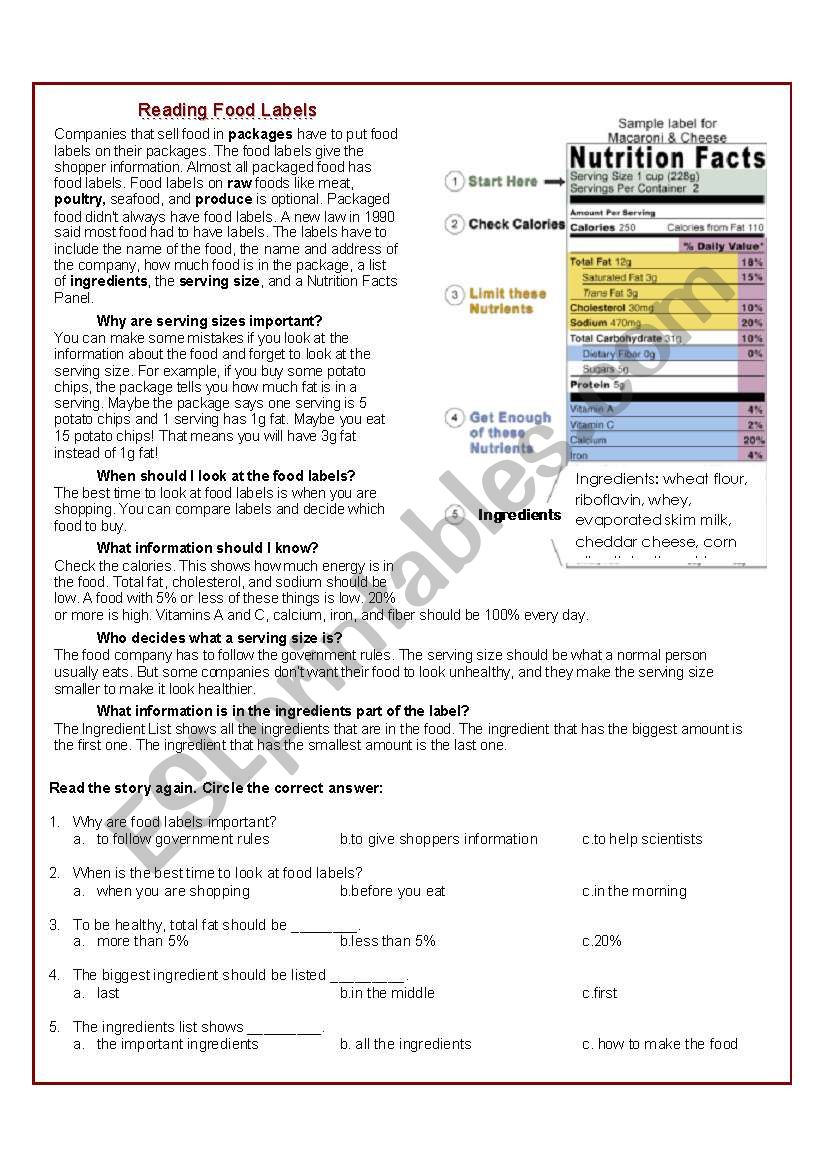
English worksheets: Reading Food Labels
How to understand Nutrition food labels (EU/UK) — Gemma Sampson Here enters the need for nutrition labels, and some code to decipher what they mean: Energy. Energy free - less than 4kcal (17kJ) per 100ml. Reduced energy - at least a 30% reduction from the original product/compared product. Low energy - less than 40kcal (170kJ) per 100g for solids OR <20kcal (80kJ) per 100ml for liquids.

How to read a nutrition label
Nutrition labelling | Food Standards Agency Nutrition information must be expressed per 100 g/ml, using the measurement units specified in Regulation 1169/2011 vitamins and minerals must be expressed per 100g/ml and as a percentage of the...

How to read nutrition label | work | Pinterest
How To Read Nutrition Labels For Keto - KetoProClub.net A list of vitamins and minerals that your food may contain may be found at the bottom of the nutrition label. Vitamin A, vitamin C, calcium, and iron are the most common. If you notice items that include magnesium, vitamin D, or potassium, eat them since they may boost your keto nutritional value and help you avoid the keto flu.

How to Read a Nutrition Label - YouTube
How to read food labels - CNM College of Naturopathic Medicine You can determine the amount of sugar in a product by looking at "sugars" underneath the carbohydrates section in the nutritional panel. Every 4 grams of sugar equates to 1 teaspoon of (table) sugar. So, for example, if a product has 16g of sugar per serving, it actually contains 4 teaspoons of sugar.

Nutrition Labels
Reading Nutrition Labels - Cronometer Serving sizes measured in grams, including a 100g serving size option Vitamin C, Vitamin A, Calcium, Iron %DV (based on 2000 kcal diet) This percentage is listed as the % of the RNI which is different than that of American targets. We will always report the numeric value (not the percent) in CRDB foods. Carbohydrates reported do NOT include fibre.

How to Read a Nutrition Label
archive.nutrition.org.ukHome - British Nutrition Foundation The British Nutrition Foundation is a registered charity. We provide impartial, evidence-based information, resources and training on food and nutrition. BNF's vision is 'Everyone can access healthy, sustainable diets' and it is contributing towards this through its Mission ‘Translating evidence-based nutrition science in engaging and actionable ways’.

How to Read a Food Label and really Understand those Numbers
How To Read Food and Beverage Labels | National Institute on Aging At the top of the Nutrition Facts label, you will find the total number of servings in the container and the food or beverage's serving size. The serving size on the label is based on the amount of food that people may typically eat at one time and is not a recommendation of how much to eat. Read more about serving and portion sizes.
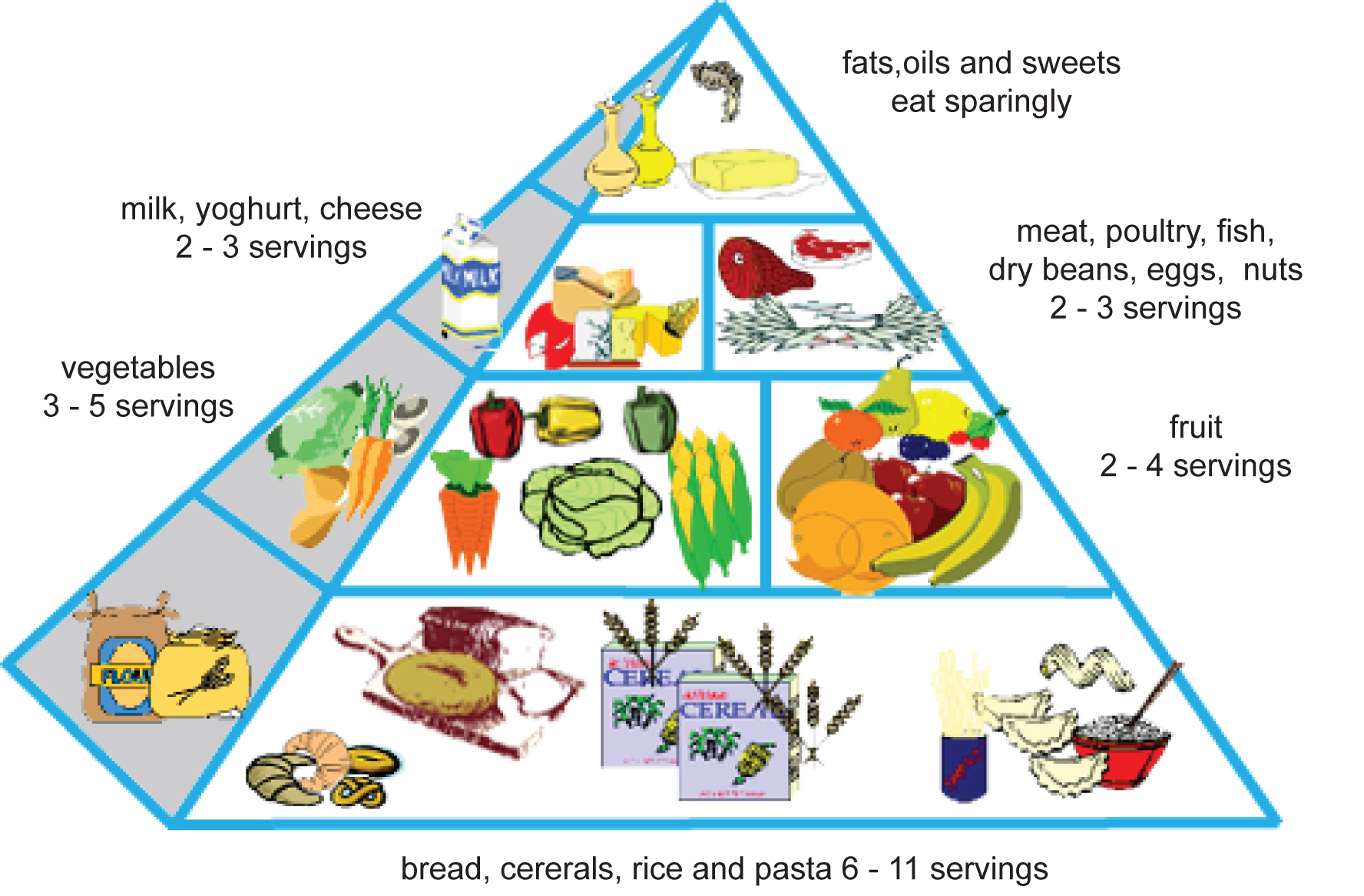
Apples and carrots count as well | OUPblog
Check the label | Food Standards Agency The traffic light label is colour coded and shows that green is low in a particular nutrient, amber means medium and red is high in a nutrient. means the product is high in a nutrient and you should try to cut down, eat less often or eat smaller amounts. means medium.

Glucosamine Sulphate 1500 mg 2KCl, 365 Tablets (1 Year Supply) | High Strength Glucosamine ...
Food labelling - get into the habit of checking the label Look for five key points on the label: 1. Energy The terms 'kJ' and 'kcal' (calories) tell you how much energy is in a product. Women need an average of 2,000 kcal a day and men need 2,500 kcal on average. 2. Saturates Saturates is another word for saturated fat. This section tells you about the amount of saturated fat in the product. 3. Salt
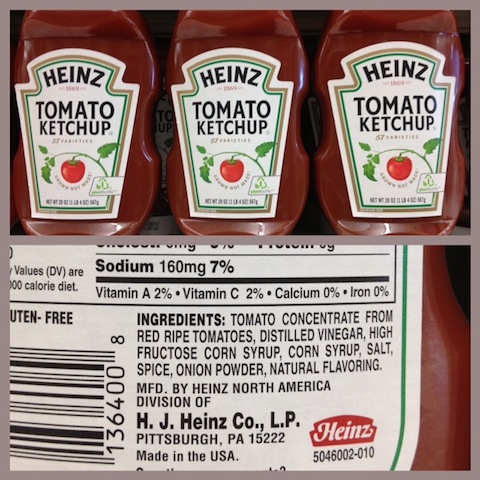
Avoid Heinz Ketchup Like The Plague, Here’s 3 Research Backed Reasons Why - Iterated Reality
How to decode a food label - BBC Future Health and nutrition claims. A final piece of label decoding involves health claims, which are regulated to avoid manufacturers over-promising. Laws differ internationally, but in the US, there ...

Does your child have a food allergy? - Daisykins - The Rugby Nursery
Understanding Food Nutrition Labels | American Heart Association 1 - Start with the serving information at the top. This will tell you the size of a single serving and the total number of servings per container (package). 2 - Next, check total calories per serving and container. Pay attention to the calories per serving and how many calories you're really consuming if you eat the whole package.

How to Read Nutrition Labels | Nutrition labels, Nutrition, Nutrition facts
en.wikipedia.org › wiki › LabelLabel - Wikipedia Labels have many uses, including promotion and providing information on a product's origin, manufacturer (e.g., brand name), use, safety, shelf-life and disposal, some or all of which may be governed by legislation such as that for food in the UK or United States.

How To Read Nutrition Label #nutrition #label #health #howtoreadnutritionlabels | Nutrition ...
How to Understand and Use the Nutrition Facts Label | FDA When looking at the Nutrition Facts label, first take a look at the number of servings in the package (servings per container) and the serving size. Serving sizes are standardized to make it easier...
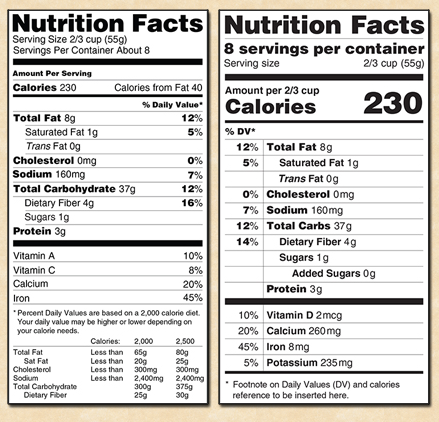
Reading Nutrition Labels Shouldn't Be Complicated
How To Read Nutrition Labels (Like a Pro) - Ditch The Carbs Firstly you need to understand the difference between total and net carbs. TOTAL CARBS = sugars + starches +fibre NET CARBS = total carbs - fibre Carbohydrates will be on the nutrition label are often broken down into carbohydrates, sugars, starch, and fiber. However, each brand may display its nutritional contents differently.
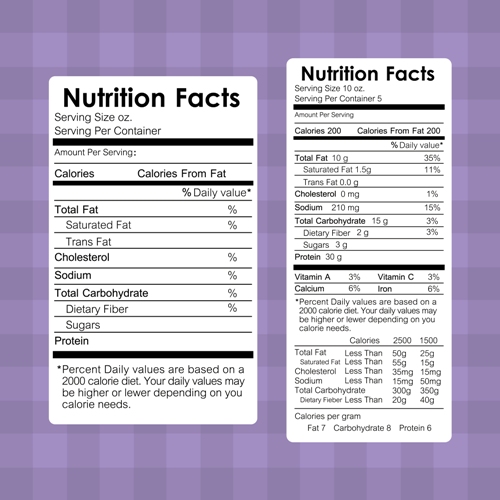
How to read Nutrition Labels: Invisible Essential of Health
EU Nutrition Facts Templates - Ingredients List Label | ESHA Research EU Standard Nutrition Facts Label. European Union regulations require that you declare energy, protein, fat, saturated fat, carbohydrates, sugars, and salt. Voluntary nutrients may be shown if they are present in significant amounts. The regulations allow several variations in the labeling format. Shown here are examples of EU compliant labels ...
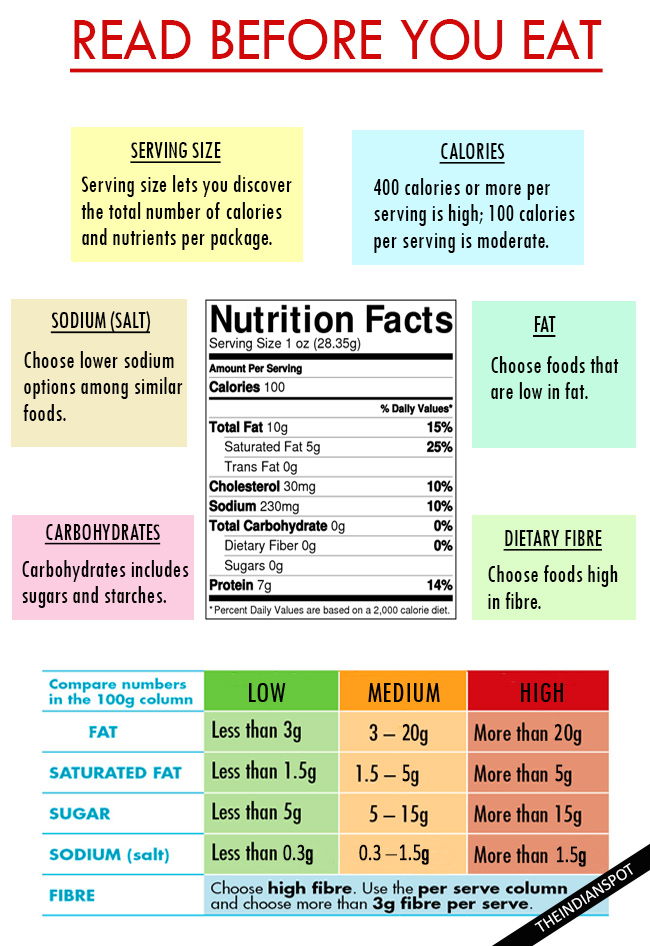
UNDERSTANDING FOOD LABELS - MAKE THE BEST FOOD DECISIONS
› life-stages › childrenChildren - British Nutrition Foundation There is no need to add salt to your child’s food. Salt is in many processed foods so always read the food label to check how much salt it contains and choose lower salt versions. For more information on how to read food labels read our Looking at nutrition labels resource below.
Post a Comment for "44 how to read uk nutrition labels"